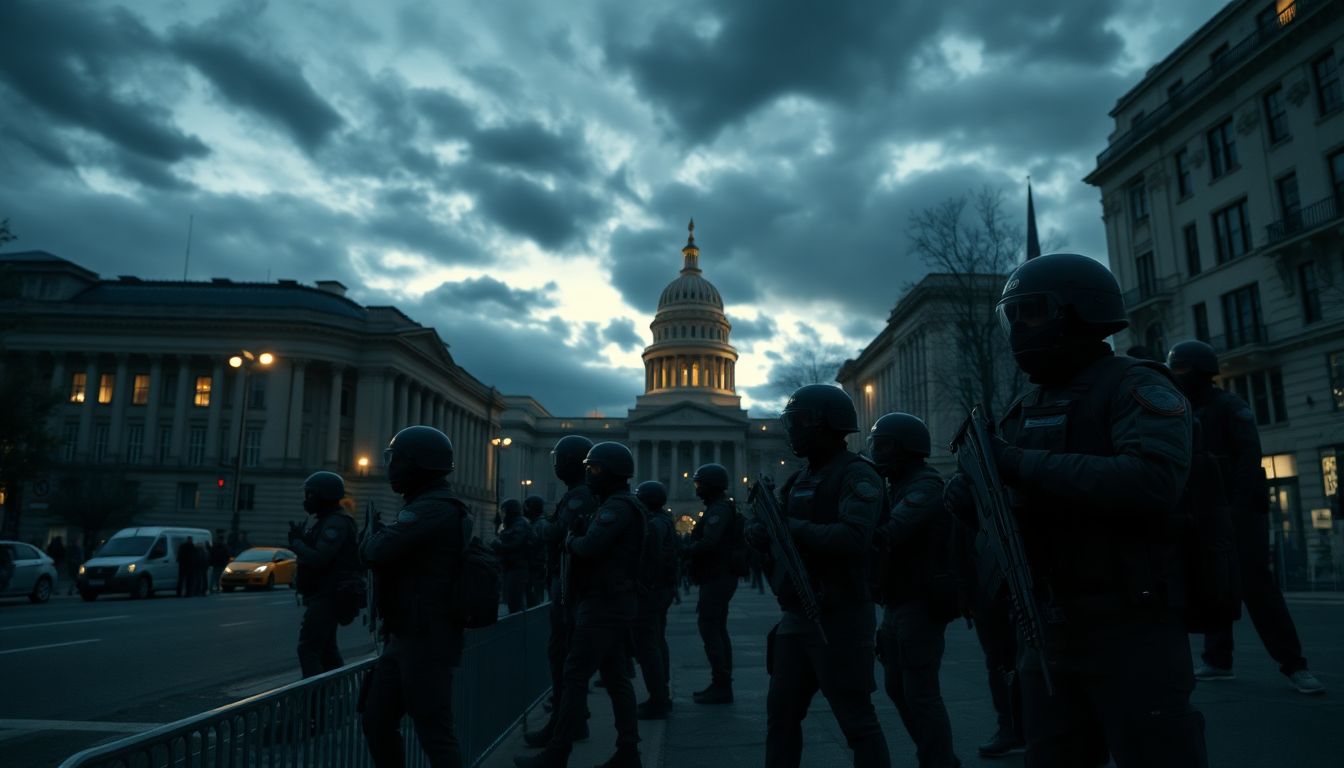
Possible Invocation of the Insurrection Act: Understanding Legal, Political, and Social Implications
Introduction
The Insurrection Act is a powerful tool in the hands of the U.S. President. Its history shows it’s only used in extreme cases to restore order. Recently, there’s been talk about whether the President might invoke it again during times of unrest. Such discussions raise questions about legality, fairness, and the impact on democracy. This article explores what the Insurrection Act really is, its past use, and what it could mean today.
What is the Insurrection Act? Legal Foundations and Purpose
Definition and scope of the Insurrection Act
The Insurrection Act was signed into law in 1807. It gives the President authority to deploy military forces or federal troops to put down rebellions or uprisings. This law is unique because it allows the military to operate within the U.S., unlike most military actions abroad. The Act is meant to patch holes in the legal system to handle serious civil unrest or insurrection.
Historical context and original intent
The law was created to help resolve major disturbances that local authorities couldn’t handle. In the past, it was used to enforce civil rights and restore order during riots. Its goal isn't to suppress peaceful protests but to stop chaos and violence that threaten national stability.
Key legal criteria and procedures
The President can invoke the Act when a rebellion or insurrection occurs. But there are limits: the law requires specific evidence that unrest is beyond local control. Congress plays a role by passing laws, and the courts can review any actions to check for overreach.
Historical Precedents of the Insurrection Act
Major instances of invocation
- 1957 Little Rock Crisis: Federal troops helped integrate Central High School in Arkansas amid protests.
- 1967 Detroit riot: The military was called in after days of violence and destruction.
- 1992 Los Angeles riots: The National Guard was deployed to control widespread chaos following the Rodney King verdict.
Lessons learned from past applications
Each time the Act was used, it brought mixed results. While it helped restore order, it also sparked debates about civil liberties. Sometimes, heavy-handed actions damaged public trust. The key takeaway? Balancing order and rights remains a challenge.
Comparing past and current societal contexts
Times have changed. Today, social media spreads protests faster and more widely. Law enforcement tools have evolved too. But the core issues—public safety and rights—still shape how the law is used.
Political and Social Considerations in Invoking the Act
Political climate and decision-making
The political landscape influences whether the Act is used. Leaders weigh public opinion, party lines, and their view of who holds power. In tense times, invoking the law might seem like a quick fix or a last resort.
Social unrest and threats to national security
Current protests or threats—whether related to racial justice or political disagreements—could push officials toward considering the law. Intelligence agencies monitor threats, but careful judgment is crucial.
Risks and benefits of invocation
Using the Act can bring peace but might also hurt civil liberties. It could damage democracy if overused or misused. The question is: does the potential order outweigh the risks of eroding trust in institutions?
Legal and Constitutional Challenges
Checks and balances
Congress and the courts can challenge a decision to invoke the Act. They act as watchdogs, ensuring the law isn’t used unfairly. Past legal battles tested whether presidents crossed constitutional lines.
Potential grounds for legal challenge
Overreach is a common concern. If the government acts beyond what law permits, courts can strike down such actions. Judicial decisions sometimes limit how and when the law can be used.
International legal considerations
Invoking the law could affect how other countries view the U.S. and its democracy. It might signal instability or overreach, damaging international relations.
Expert Opinions and Analysis
Political analysts and constitutional law experts
Many see the Act as a last resort. Experts warn that overusing it could set dangerous precedents. Still, they acknowledge its role in critical moments.
Civil rights advocates and community leaders
They worry about civil liberties being at risk. They argue that heavy military actions could suppress peaceful protests and harm community trust.
Military and law enforcement perspectives
Military leaders focus on readiness. They emphasize that deploying troops carefully and within legal bounds is vital to maintain order without harming citizens.
Notable quotes and references
Famous voices warn that invoking the Act should be a measured decision, not a default response to unrest. Experts like legal scholars highlight the importance of maintaining democratic principles.
Actionable Tips and What Citizens Can Do
Staying informed
Follow reputable news outlets for updates. Avoid rumors or unverified claims that can fuel confusion.
Engaging in civic discourse
Participate in community discussions. Voice concerns calmly and seek facts. Democracy thrives on informed citizens.
Preparing for potential scenarios
Be aware of local safety guidelines. Have a plan to stay safe if protests or unrest occur nearby. Trust official sources for emergency info.
Conclusion
The possibility of invoking the Insurrection Act depends on many factors—legal, political, and social. Understanding its history and purpose helps us see why it’s a sensitive tool. While it can restore order, it also risks infringing on civil liberties. Balancing law enforcement and democratic rights is key, especially during times of crisis. In the end, staying informed and engaged helps us all navigate these uncertain moments better.



0 Comments