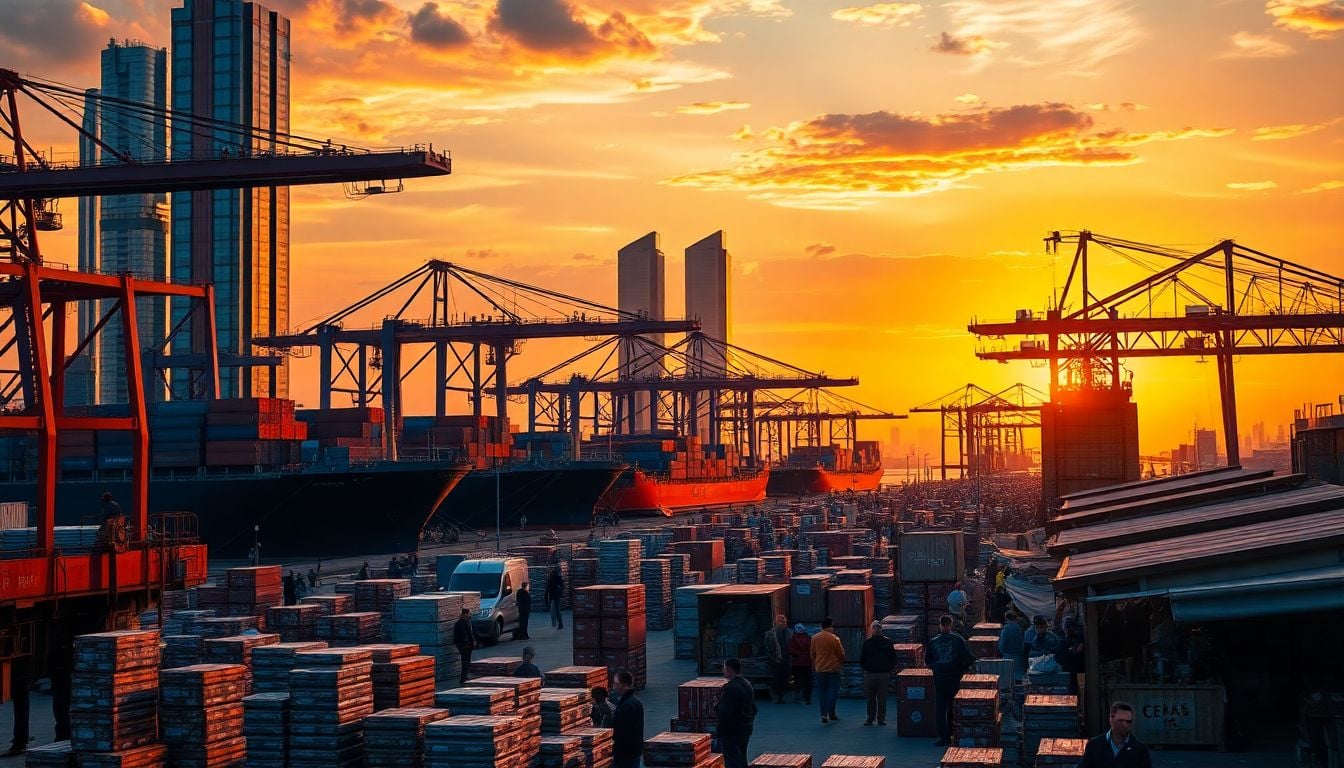
Economic Instability Due to Trade Tariffs: How Rising Tariffs Shake Global Markets
Introduction
Recent trade tensions between major economies have grabbed headlines. Countries are raising tariffs, creating new hurdles for global trade. But what exactly are trade tariffs, and why do nations use them? These taxes are meant to protect local industries, but they often cause chaos instead. When tariffs rise, the whole economy can stumble. Markets fluctuate wildly, jobs are at risk, and consumers suffer higher prices. This article explores how increasing trade tariffs lead to economic instability around the world.
The Fundamentals of Trade Tariffs and Economic Stability
What Are Trade Tariffs?
Trade tariffs are taxes on imported goods. Governments use them to make foreign products more expensive. There are different types:
- Ad valorem tariffs: A percentage of the product's value.
- Specific tariffs: A fixed fee per unit.
- Compound tariffs: A mix of both types.
History shows that tariffs have been used for centuries. Countries often raise tariffs during times of war or economic crisis to protect local jobs and industries. But they can also start trade wars that hurt everyone.
How Tariffs Influence Domestic and Global Economies
When tariffs go up, the prices of imports rise. That makes foreign goods more costly for consumers. Companies might also have to pay more for raw materials from abroad. This creates a ripple effect through entire supply chains. Consumers see higher prices on everyday items, and businesses face rising costs, making profits thinner.
Key Economic Indicators Affected by Tariffs
Trade tariffs directly impact several vital indicators:
- Gross Domestic Product (GDP): Higher tariffs can slow economic growth.
- Inflation: Increased import prices push up overall prices.
- Unemployment: Companies may cut jobs if costs become too high.
These elements are closely linked. When tariffs spike, economic stability can weaken quickly.
The Impact of Trade Tariffs on Global Markets
Stock Markets and Investor Confidence
Markets hate uncertainty. When tariffs increase suddenly, stock prices often drop. Investors worry about profits shrinking or economies slowing down. For example, the U.S.-China trade war caused stock indices worldwide to tumble, shaking confidence for months.
Currency Fluctuations and Capital Flows
Trade tensions also influence currencies. Countries may see their currencies devalue if tariffs hurt exports. When China or Mexico faces trade barriers, their money may weaken against the dollar. Banknotes shift in value, causing more economic chaos.
Supply Chain Disruptions and Production Costs
Global companies depend on smooth supply chains. Tariffs can block raw materials or parts, forcing factories to pause or reroute shipments. The auto and electronics sectors often feel the pain. Rising costs hit production lines, delaying delivery and raising prices.
Sector-Specific Consequences of Trade Tariffs
Manufacturing and Industry Sectors
Manufacturers face mounting costs for raw materials like steel and aluminum. Tariffs on these items make everything pricier. Car makers, for instance, see their expenses rise, reducing competitiveness worldwide.
Agriculture and Agriculture-Dependent Economies
Farmers often suffer during tariff disputes. Countries retaliate by blocking exports. U.S. soybean farmers lost millions when China increased tariffs. Their market vanished almost overnight, putting many out of work.
Consumer Goods and Retail
Consumers face higher prices for everyday goods. Retailers struggle as shoppers buy less or switch to cheaper alternatives. This slowdown hurts sales and reduces options, making shopping less satisfying.
Socioeconomic and Political Ramifications
Job Market and Wage Effects
Trade tariffs can cause job losses in affected industries. For example, tariffs on steel resulted in layoffs in the manufacturing sector. Wages also stagnate when companies lose profits or cut costs.
Economic Inequality and Consumer Welfare
Tariffs often hurt low-income families more. Higher prices on key items can take a bigger chunk of their income. This widens the gap between the wealthy and the rest of society.
Political Tensions and Trade Policy Uncertainty
Rising tariffs strain international relations. Countries become less willing to cooperate, leading to more conflicts. Policymakers often face tough choices—protect jobs or keep markets stable. Experts warn that ongoing trade disputes threaten global economic peace.
Strategies to Mitigate Economic Instability from Tariffs
Diversification of Supply Chains
Businesses should avoid relying on one market or supplier. Finding new sources can help reduce risks from sudden tariffs. Companies investing in multiple countries stay more resilient.
Negotiating Trade Agreements
Multilateral agreements provide stability. When countries set clear rules, tariffs tend to decrease, creating a more predictable environment. Diplomatic efforts pay off in reducing trade friction.
Policy Recommendations
Governments must strike a balance. Protecting industries shouldn’t come at the cost of economic stability. Policymakers should focus on open trade and fair rules, ensuring markets remain steady. Business leaders can also prepare by staying adaptable and diversifying.
Conclusion
Rising trade tariffs lead to economic instability that affects everyone. Markets become more volatile, jobs can vanish, and prices climb higher. But by diversifying supply chains and pursuing fair trade agreements, we can reduce these risks. Cooperation between nations is key to keeping the global economy stable. In a world full of trade tensions, staying prepared and flexible is the best defense. Only then will we weather the storms of economic upheaval caused by escalating tariffs.



0 Comments